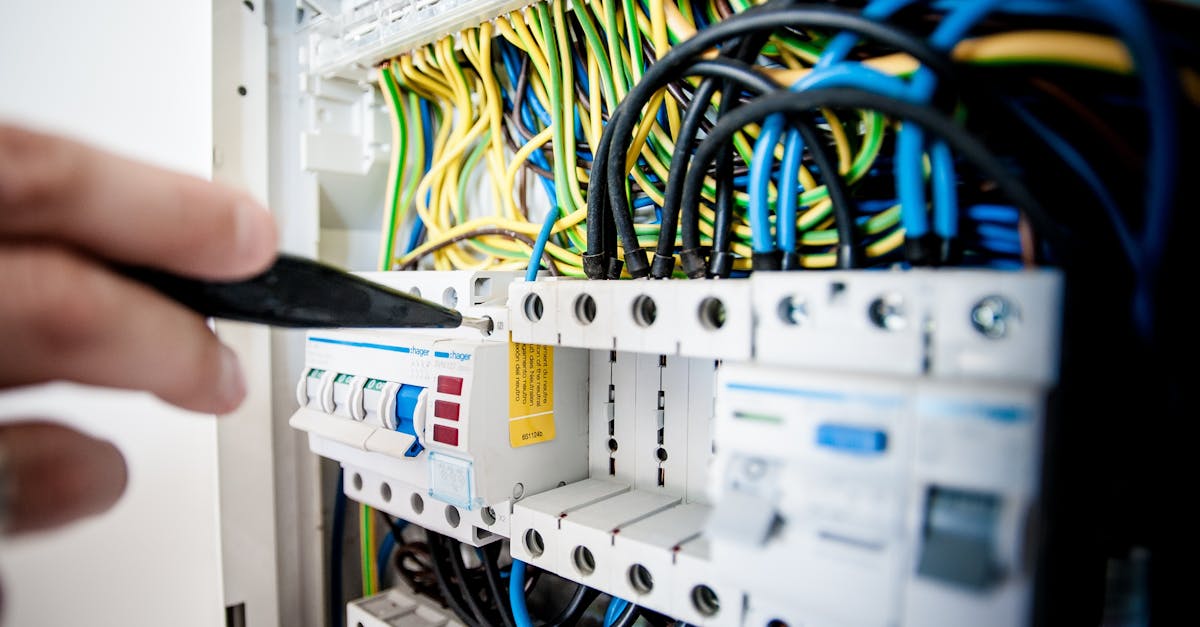
Uninterruptible Power Supply (UPS) systems form the backbone of critical operations across Canadian businesses, healthcare, government institutions, and data centers. At APC Service Canada, our firsthand experience has shown just how often a neglected UPS is the weakest link in business continuity. Regular, proactive maintenance is not just a recommendation—it is a necessity for ensuring continuous uptime, minimizing operational disruptions, and reducing the long-term costs associated with power-related failures.
What Causes UPS System Failures?
UPS failures rarely occur out of the blue. They arise from compounding issues that go unnoticed until a crisis hits. The most common causes include:
- Battery degradation: Batteries are the heart of any UPS, and over time, every battery loses its ability to provide backup power. Factors like temperature, charge/discharge cycles, age, and lack of regular testing hasten this decline.
- Environmental impacts: Heat, dust, and humidity can cause premature aging of internal components, corrosion of terminals, and even sudden system shutdowns.
- Poor connections: Loose connections or corroded terminals result in excessive resistance, generating heat and risking further component failure.
- Deferred or irregular maintenance: Postponing preventative care compounds minor issues into catastrophic outages at the worst possible moments.

How Does Maintenance Actually Reduce Downtime and Costs?
Our team at APC Service Canada has seen how structured maintenance is transformative for UPS reliability. Here are the ways regular inspections and proactive actions directly benefit your operations:
- Issues are caught early: Detect developing problems like decaying batteries, overheating, or connection problems before they escalate into major outages.
- Downtime is slashed: Planned maintenance prevents the long, costly outages triggered by emergency failures. Instead of business grinding to a halt for hours (or longer), you get predictable, minimal disruption.
- Repair and replacement costs decrease: Early intervention means less wear on internal components and less chance of collateral damage to servers or other critical equipment.
- Equipment lifespan is maximized: Batteries replaced on schedule, fans and inverters cleaned and tested, and firmware updates applied properly all ensure your UPS units deliver value well beyond their initial warranty period.
A Practical UPS Maintenance Framework
We advocate a tiered approach. While we handle comprehensive, technical interventions, your on-site team can conduct simple checks that make a remarkable difference.
1. Daily/Weekly Observations
- Look for any unusual warning lights or alert messages on your UPS displays
- Listen for abnormal sounds (clicking, grinding, or excessive fan noise)
- Check the general cleanliness and ensure air intakes are clear
2. Monthly Checks
- Record battery voltage readings and compare to established baselines
- Inspect for signs of corrosion on terminals or swelling of battery casings
- Vacuum out any dust buildup in and around UPS equipment
- Document and report findings
3. Professional Biannual/Annual Maintenance
- Full battery testing, including load and capacity checks
- Thermal imaging of components to identify overheating spots
- Testing transfer switch function to ensure proper failover
- Cleaning, tightening, and lubricating all electrical connections as specified
- Firmware updates and environmental checks

Battery Maintenance and Replacement: The Heart of Reliable UPS
Batteries degrade even in ideal conditions; service life can be shortened drastically by poor temperature control and neglect. At APC Service Canada, we recommend scheduling battery replacement every 3-5 years, depending on battery type and operational environment. Earlier replacement is preferable to sudden business shutdown and data loss.
- Regular battery voltage checks flag units trending toward failure
- Replace swollen or aged batteries before capacity drops below 80%
- Choose the right chemistry—whether sealed lead-acid, lithium-ion, or high-rate batteries—based on your backup requirements
- Ensure old batteries are responsibly recycled
For more details about battery types and replacement recommendations, visit our UPS battery replacement page.
Environmental Management: Extending the Life of Your UPS
Heat, dust, and humidity all accelerate the aging process inside your UPS. Simple steps make a huge difference:
- Maintain your UPS room temperature between 20°C and 25°C for ideal battery performance
- Use fans or dedicated cooling in confined or high-density spaces
- Humidity should be controlled to avoid condensation that triggers corrosion
- Keep minimum 60 cm (2 feet) clearance around all intake/exhaust grilles for unrestricted airflow
Common Failure Scenarios—and How Preventative Maintenance Stops Them
- Loss of Backup Time: Your system indicates two hours of backup, but after a power outage, it fails in 45 minutes. Regular load testing can identify such shortfall in advance, allowing for battery replacement before the risk becomes real.
- Worn-out Fans or Filters: Excessive dust causes fans to block and filters to clog, leading to heat buildup. Monthly cleaning and annual professional inspection stop silent failures before they occur.
- Missed Firmware Updates: Improvements and bug fixes released by manufacturers are easily missed. Professional maintenance includes these updates, reducing software-related glitches.
- Cable or Terminal Corrosion: Over time, oxidation degrades contacts, leading to arcing and unpredictable shutdowns. Semi-annual professional tightening and cleaning correct this before it’s a problem.
The Costs: Why Prevention Is Always Cheaper
Consider the financial impact:
- Unplanned outages cost thousands per hour in lost revenue, labor, and potential data loss.
- Urgent repairs and expedited battery shipments often double in cost compared to scheduled replacements.
- Physical equipment damage from sudden power loss may require total replacement—far costlier than routine maintenance.
Metrics That Prove Maintenance Value
- Mean Time Between Failures (MTBF): Increases with scheduled maintenance—ideally, 10+ years for quality systems.
- System availability: 99.9% uptime is industry standard, but with our tailored maintenance programs, many clients achieve 99.99% or higher.
- Battery capacity retention: Batteries replaced before dropping below 80% of their rated capacity nearly eliminate sudden failures.
Industries We Serve: Customizing Maintenance for Every Need
Every sector has unique demands:
- Data Centers: Require quarterly testing, environmental monitoring, and detailed performance trend analysis. We often recommend a blend of lithium-ion batteries for mission-critical racks. Learn more about why lithium-ion is changing the UPS landscape in our blog post on lithium-ion UPS batteries.
- Healthcare: Reliability is not optional. We maintain rigorous documentation and guarantee 24/7 rapid response for all facilities under our care.
- Government & Industrial Facilities: We ensure compliance with strict procurement and documentation standards, and establish maintenance cycles that support procurement and tender requirements.
Your Maintenance Plan: Steps to Take Today
- Conduct a complete UPS audit: Identify models, load profiles, battery age, and environmental risks.
- Establish baseline data: Capture current capacity, voltage readings, and runtime under real load.
- Schedule preventative visits: Get biannual or annual checkups from certified professionals—you can arrange these with us anytime.
- Train your team: Make sure your on-site staff know how to identify early warning signs and basic inspection protocols.
- Implement tracking: Use logbooks or digital tracking for battery age, inspection checkpoints, and maintenance milestones.
- Adjust and improve: After each major maintenance cycle, review. Are you catching problems before they disrupt operations? Are costs trending down?
What Makes APC Service Canada Different?
We are more than just a service provider—we are your proactive partner in business continuity. We deliver:
- Nationwide coverage for businesses in every province
- Certified, experienced technicians who specialize in APC UPS systems
- 24/7 emergency response, because failures don’t care about the clock
- Detailed, transparent documentation delivered after each visit
- Expertise in environmental best practices to extend hardware life
- Full support for battery replacement, load monitoring, configuration, and compliance documentation
Discover the value of tailored preventative maintenance and let us take care of the technical details so you can focus on your core operations. If you are responsible for protecting vital infrastructure or sensitive data, regular UPS maintenance is not just good operating practice, it is an operational imperative.
Ready to prevent downtime and save on avoidable costs? Contact us today to build a custom maintenance plan that keeps your UPS systems running at their best and your critical operations always protected.